

Training consistently is essential for progress, but workouts alone don’t make you stronger — recovery does. When your body doesn’t get enough time to repair and recharge, performance drops, motivation fades, and the risk of injury increases.
Many active women push through fatigue, thinking it’s part of the process. However, learning to recognize when your body needs rest is one of the smartest things you can do for long-term fitness and overall wellness.
Here are eight clear signs your body may be asking for more recovery.
Constant Fatigue, Even After Sleeping
Feeling tired after a hard workout is normal, but constant exhaustion that doesn’t improve with sleep is not. If you wake up feeling unrefreshed day after day, your body may be under too much stress from training, work, or lifestyle demands.
Recovery allows muscles, hormones, and the nervous system to reset. Without enough rest, fatigue accumulates and daily tasks start feeling harder than usual.
Persistent Muscle Soreness
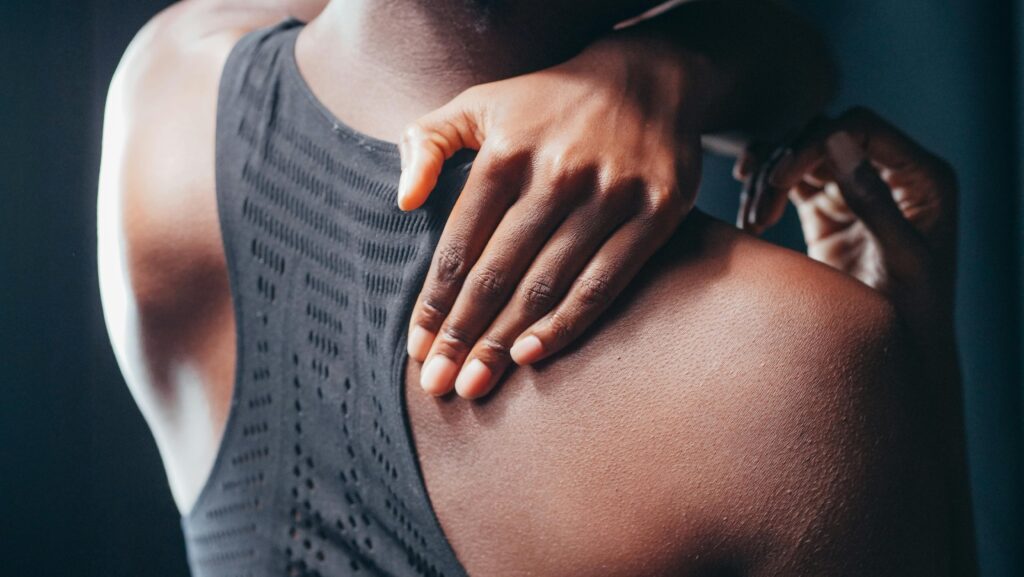
Muscle soreness after training is common, especially when starting a new program. However, soreness that lasts several days or appears after every workout may indicate insufficient recovery time.
When muscles never fully recover, performance declines and injury risk increases. Giving the body time to repair allows muscles to grow stronger instead of staying constantly inflamed.
Declining Workout Performance
If your workouts suddenly feel harder, weights feel heavier, or your running pace drops despite consistent training, your body may be overworked.
Progress doesn’t always mean pushing harder. Sometimes, performance improves only after stepping back and allowing proper recovery.
Sleep Problems
Ironically, overtraining can actually disrupt sleep. You might feel exhausted but struggle to fall asleep or wake frequently during the night.
High stress levels and elevated cortisol caused by excessive training can interfere with sleep quality, making recovery even harder.
Increased Irritability or Mood Changes
Recovery isn’t only physical — it’s mental as well. If you find yourself feeling unusually irritable, stressed, or emotionally drained, accumulated fatigue could be the reason.
Exercise normally improves mood, but when recovery is insufficient, stress hormones can remain elevated, affecting emotional balance.
Frequent Minor Illnesses
If you catch colds often or feel your immune system weakening, your body might be under too much physical stress.
Intense or frequent training without proper rest can temporarily weaken immune defenses, making you more susceptible to infections.
Loss of Motivation to Train
A sudden drop in motivation or enjoyment of workouts is often a sign of mental and physical burnout. When exercise starts to feel like a chore rather than something you enjoy, it may be time to slow down.
Taking a few lighter days or rest days often brings motivation back stronger.
Increased Aches and Small Injuries
Small pains in joints, tendons, or muscles that don’t fully disappear are warning signals. Ignoring these minor discomforts can lead to more serious injuries that force long breaks from training.
Rest and recovery help prevent small issues from becoming long-term problems.
How to Improve Recovery
Improving recovery doesn’t mean stopping training altogether. Instead, it involves balancing effort with proper support. Quality sleep, proper nutrition, hydration, mobility work, and planned rest days all help the body repair and grow stronger.
Active recovery sessions, like walking, stretching, or light cycling, can also promote circulation without adding excessive stress.
Final Thoughts
Training hard is admirable, but listening to your body is what allows you to stay active long term. Progress doesn’t only come from pushing limits — it also comes from knowing when to pause.
When you respect recovery, workouts become more effective, injuries become less frequent, and fitness becomes sustainable.
Move with strength. Live with grace.