
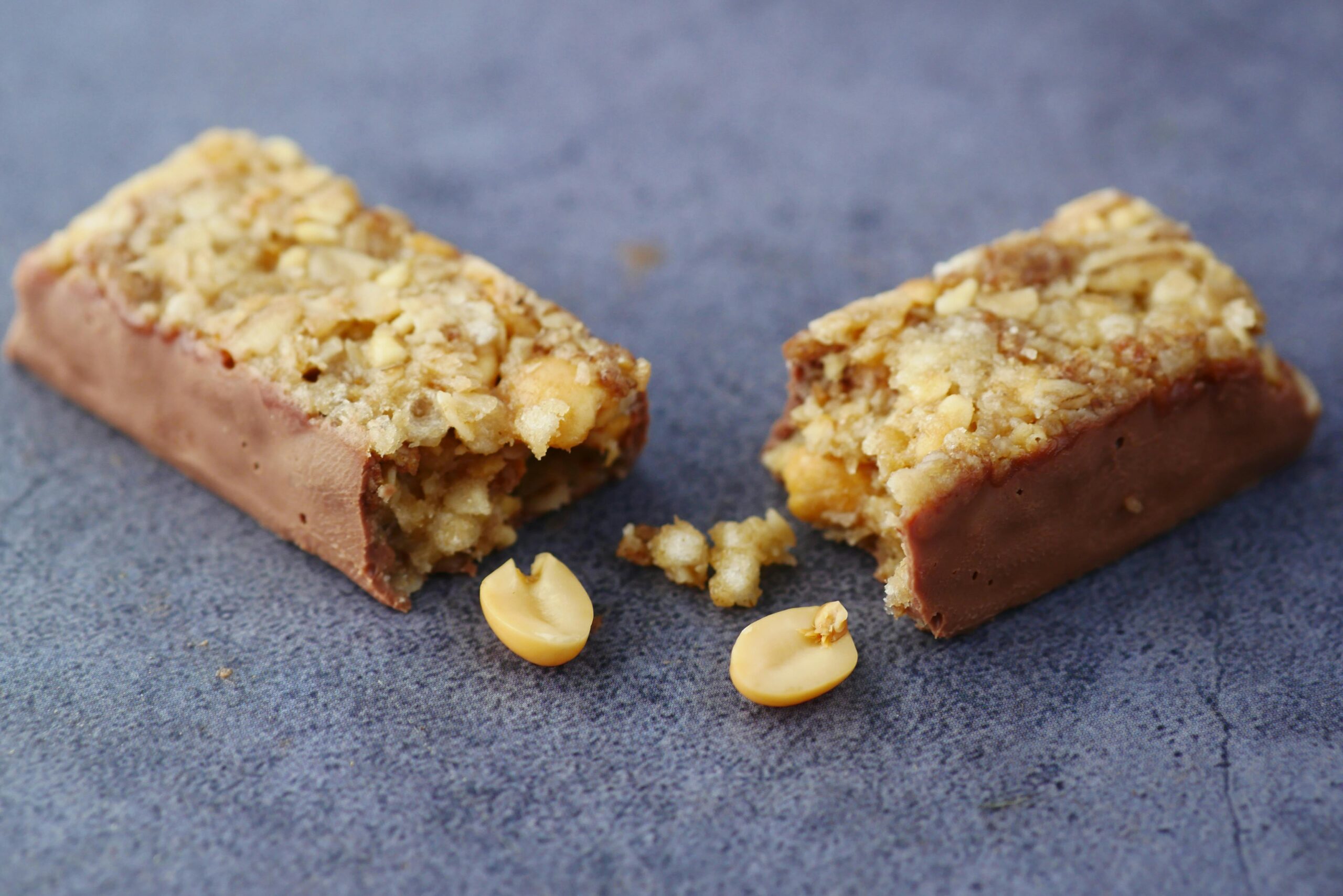
Protein has ascended to superstar status in the wellness world. From influencers touting high-protein diets for everything from muscle gains to mental clarity, to grocery aisles overflowing with protein-packed everything—yogurt, chips, even water—it’s clear we’re deep in the “protein era”. As a woman juggling career ambitions, social commitments, and perhaps the early stages of family life, the allure of a quick protein bar grab is undeniable.
Do these uber-convenient snacks truly deliver on their health halo, or are they just cleverly marketed candy bars in disguise? Let’s dive into an expert-backed review, weighing the hype against the hard facts.
The Upside: Why Protein Bars Have Earned Their Spot in Your Gym Bag
Let’s start positive—protein bars aren’t all bad. At their best, they provide a portable punch of protein, which is crucial for muscle repair, satiety, and maintaining energy levels during busy days. For active women, aiming for 15-20 grams of protein per bar can support post-workout recovery or bridge meals without derailing your macros. They’re especially handy when whole foods aren’t feasible, like during a hectic commute or after a spin class. Some bars even incorporate fiber (aim for at least 3-5 grams) to aid digestion and stabilize blood sugar, making them a step up from empty-calorie snacks.
Nutritionally, well-formulated bars can mimic aspects of a balanced snack. For instance, those with whole ingredients like nuts, seeds, and oats offer unsaturated fats for heart health and micronutrients that processed alternatives lack. Experts agree that an occasional bar won’t sabotage your health; in fact, for those with adequate overall protein intake, the extra boost from a bar can be negligible but convenient. If you’re training for a half-marathon or building strength, a bar with a solid protein-to-calorie ratio (around 10 grams per 200 calories) can be a smart, time-saving choice.
The Downside: When Convenience Comes at a Cost
Here’s where the opinion sharpens: Despite the marketing, many protein bars fall short nutritionally, often resembling candy more than superfoods. Take the classic comparison—a Luna Bar versus a Snickers. While the Luna edges out with 9 grams of protein, 4 grams of fiber, and added vitamins (like 35% of your daily calcium), their calorie density is similar, and the protein difference is minor for most people. Harvard experts point out that equalizing portion sizes shrinks the nutritional gap, making some bars “not all that much worse” than candy—but that’s hardly a ringing endorsement.
The real pitfalls? Ultra-processing. Many bars are loaded with added sugars (over 8-10 grams can rival a dessert), artificial sweeteners like sucralose that may cause bloating, and emulsifiers or preservatives that disrupt gut health. Saturated fats and hydrogenated oils sneak in, hiking heart disease risk, while long ingredient lists signal heavy processing over purity. Nutritionists warn against bars exceeding 25-30 grams of protein, as your body can’t efficiently use more at once, potentially straining kidneys over time. And let’s not ignore the environmental angle—packaged bars contribute to waste, unlike reusable whole-food options.
Worse, studies show high-protein claims often mask high sodium or fat content, making these snacks less healthy than advertised. Daily reliance? Linked to risks from ultra-processed foods, including inflammation and poorer long-term health outcomes. In my view, the convenience often overshadows these red flags, leading us to over-rely on bars instead of building sustainable habits.
Stacking Up Against Whole Foods: A Reality Check
To put it in perspective, let’s compare average protein bars to whole-food alternatives. While a typical bar might deliver 15-20 grams of protein for 200-250 calories, whole snacks often provide more bang for your nutritional buck—more fiber, vitamins, and satiety without the additives.
| Snack Option | Protein (g) | Fiber (g) | Added Sugar (g) | Calories | Key Benefits |
|---|---|---|---|---|---|
| Average Protein Bar | 15-20 | 3-5 | 8-10+ | 200-250 | Convenient, portable; some vitamins added. |
| Greek Yogurt + Berries (1 cup yogurt, 1/2 cup berries) | 20 | 4 | 0-5 (natural) | 150-200 | Probiotics for gut health; antioxidants; natural sweetness. |
| Apple + Peanut Butter (1 apple, 2 tbsp PB) | 8-10 | 5-7 | 0-2 | 200-250 | Healthy fats; sustained energy; micronutrients like vitamin C. |
| Handful of Nuts + Cheese (1 oz almonds, 1 oz cheese) | 12-15 | 3-4 | 0 | 250 | Omega-3s; calcium; no processing. |
| Tuna on Whole Grain Crackers (3 oz tuna, 5 crackers) | 20-25 | 2-4 | 0 | 200-250 | Omega-3s for heart/brain; whole grains for complex carbs. |
Sources indicate whole foods like these not only match or exceed protein per calorie but also promote fullness longer, thanks to natural matrices that slow digestion. Meat-and-veggie bars or homemade options win for clean ingredients, but even they pale against fresh eats. Bottom line? Bars are fine fillers, but whole foods fuel better overall vitality.
Expert Tips: How to Choose (or Skip) Protein Bars Wisely
If you’re set on bars, heed dietitians’ advice: Scan for whole-food bases (nuts, dates over isolates), cap added sugars at 8 grams, ensure 3+ grams of fiber, and favor unsaturated fats. Look for certifications like Organic or Non-GMO for transparency. Consumer Reports’ tests on 31 bars highlight variability—opt for those scoring high on nutrition and taste. But experts unanimously suggest treating them as supplements, not staples: “A bar every once in a while isn’t going to make or break your nutrition plan.”
Final Verdict: Time to Rethink the Bar
In our protein-obsessed era, bars shine for convenience, but nutritionally, they often don’t “cut it” compared to real food. They’re processed shortcuts that can sneak in sugars and additives, potentially undermining the very health goals they promise. My opinion? Embrace them sparingly—as emergency fuel or treats—but prioritize whole-food snacks for sustained energy, better micronutrients, and true longevity. After all, in the quest for wellness, quality trumps quick fixes every time. What’s your take—bar loyalist or whole-food warrior?